


If you’ve dealt with bathroom mold in your Fox Cities home, or are looking for effective ways to prevent it from occurring, installing a bathroom exhaust fan is your best solution.
Why Does Mold and Mildew Grow in Bathrooms?
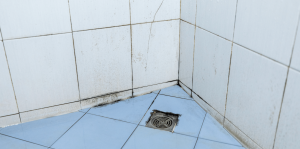
Bathrooms typically have limited airflow, trapping moisture and allowing condensation to settle on surfaces. This creates the perfect conditions for mold spores to develop and multiply, leading to black spores and stains, unpleasant odors, and potential health risks.
Warm, damp environments are ideal breeding grounds for fungi that can quickly spread on surfaces such as walls, ceilings, tiles, and grout if moisture isn’t properly managed.
How Exhaust Fans Prevent Mold and Mildew
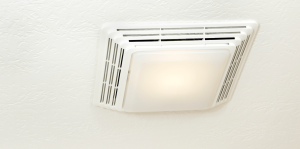
By continuously promoting air circulation, exhaust fans can help keep your bathroom dry, fresh, and mold-free.
Running a fan during and after showering pulls humidity out of the air and replaces it with drier air, preventing moisture from lingering. This process significantly lowers humidity levels and deprives mold of the moisture it needs to thrive.
Exhaust fans ventilate the space and help reduce condensation on walls, mirrors, and tiles, which would otherwise be the perfect home for mold growth.
Risks of Not Using a Fan
Mold poses a number of health risks and may cause extensive damage to your home. By addressing mold growth early and maintaining good ventilation, you can protect your health and wallet from these dangers.
Health Concerns
The health risks associated with bathroom mold are extremely impactful, especially for those with allergies, asthma, or a compromised immune system.
Mold spores released into the air can be easily inhaled, leading to allergic reactions, sneezing, coughing, nasal congestion, and itchy eyes.
For individuals with asthma, mold exposure can trigger or worsen symptoms like wheezing, shortness of breath, and chest tightness.
Over time, prolonged exposure can lead to more severe respiratory issues, chronic sinus infections, and even skin rashes. In some cases, toxic molds, like black mold, produce harmful mycotoxins that can cause fatigue, headaches, and other neurological problems.
Structural Damage & Repairs
Neglecting proper ventilation in your bathroom can lead to costly repairs due to the damage caused by persistent mold and mildew growth. As moisture accumulates, it seeps into walls, ceilings, and grout, causing paint to peel, tiles to loosen, and structural elements to weaken over time.
The mold buildup can stain surfaces and penetrate porous materials like drywall, leading to extensive cleaning, repairs, or even replacement of damaged sections.
In severe cases, mold remediation services may be required, which can be expensive and disruptive. Persistent moisture can also cause warping or rotting of wooden fixtures, further escalating repair costs.
How to Clean Bathroom Mold
This cleaning process helps to remove existing mold and prevent it from becoming a recurring issue.
- Gather Supplies: You’ll need protective gear (gloves, mask, and goggles), a scrub brush, microfiber cloths, a bucket, and cleaning agents like white vinegar, baking soda, hydrogen peroxide, or a specialized mold cleaner.
- Have Proper Ventilation: Open windows and doors or turn on the exhaust fan to keep the area ventilated while you clean.
- Start With Visible Mold: Spray white vinegar or a mold cleaner directly onto the affected areas (tiles, grout, caulking, etc.). Vinegar is effective because it’s mildly acidic and can kill most types of mold.
- Scrub the Area: Use a scrub brush to remove the mold, applying extra pressure for tough spots. An old toothbrush can help reach tight spaces for grout lines.
- Rinse and Wipe Down: After scrubbing, rinse the area with water and wipe it clean with a damp cloth. Make sure to remove all residue to prevent mold regrowth.
- Treat Stubborn Mold with Hydrogen Peroxide: For persistent mold, apply hydrogen peroxide (a 3% solution) and let it sit for 10 minutes before scrubbing again. This helps kill mold at the root.
- Prevent Future Mold Growth: After cleaning, spray a vinegar solution on high-moisture areas weekly and allow it to air dry. Additionally, seal grout lines and repair any leaks to reduce moisture buildup.
- Regular Maintenance: Use your exhaust fan during and after showers, wipe down wet surfaces regularly, and keep your bathroom as dry as possible to prevent mold from returning.

Keep Your Bathroom Mold-Free With Watters Plumbing
Keep your Wisconsin home mold-free with a new exhaust fan.
At Watters Plumbing, we have over 60 years of experience providing bathroom renovations, 24-hour emergency plumbing services, and regular maintenance to the Fox Cities, Green Bay, and Oshkosh areas.
Call us at (920) 204-7517 if you are experiencing an emergency plumbing issue. Or contact our team for bathroom plumbing maintenance.