

If you’ve noticed water draining slowly in sink or your toilet water draining slowly, it might be time to contact the professionals at Watters Plumbing.
We can help you determine the source of the problem and get your drains flowing smoothly again.
Hair Buildup

Hair buildup is a common culprit behind slow-draining sinks and showers, particularly in bathrooms where hair washing and grooming occur frequently.
Over time, hair can accumulate in the drain, forming clumps that trap soap scum, dirt, and other debris. This tangled mass gradually obstructs the flow of water, leading to slower and slower drainage.
If left unaddressed, hair buildup can cause more significant plumbing issues, potentially leading to complete blockages. Regularly cleaning the drain and using a drain cover or screen to catch hair before it goes down the drain are effective preventative measures to keep your drain from clogging.
Soap Scum and Residue
 When soap mixes with hard water minerals and dirt, it forms a sticky, grimy substance that coats the walls of your pipes over time. This buildup slows the flow of water and traps hair, skin cells, and other debris, worsening the problem.
Regular cleaning with appropriate cleaners such as Drano or DIY solutions such as boiling water or vinegar, in addition to avoiding excessive soap usage, can help lessen soap scum buildup and maintain proper drainage.
Food Particles and Grease

Food particles and grease are major culprits behind slow-draining kitchen sinks.
Over time, bits of food and cooking oils can accumulate inside pipes, forming stubborn clogs that restrict water flow. Grease, in particular, solidifies when it cools down, adhering to the pipe walls and trapping food debris.
This buildup causes slow drainage and can produce unpleasant odors that attract pests. To prevent these issues, it’s important to avoid pouring cooking oils and fats down the drain and to use sink strainers to catch food scraps before they enter the plumbing.
Regularly flushing drains with hot water and vinegar can also help break down grease and keep pipes clear.
Mineral Buildup

Mineral buildup, often caused by hard water, can significantly contribute to slow-draining sinks and showers.
Hard water contains high levels of minerals like calcium and magnesium, which can precipitate out and accumulate inside pipes over time. This buildup forms crusty deposits that narrow the diameter of the pipes, restricting water flow.
Signs of mineral buildup include reduced water pressure and white or grayish stains around faucets and drains. Regular maintenance and water softeners or descaling agents can help prevent mineral deposits from forming and ensure that your plumbing system works efficiently.
Foreign Objects

Items such as jewelry, children’s toys, and even small utensils can get lodged in pipes, obstructing the flow of water. Unlike organic materials, these objects do not break down and can remain stuck, leading to persistent blockages.
Recognizing signs of these items can include unusual gurgling noises or water backing up. In these cases, it’s important to stop using your sink, shower, or toilet refrain from using the drain further and seek professional plumbing assistance from Watters Plumbing immediately to avoid further damage.
Tree Roots
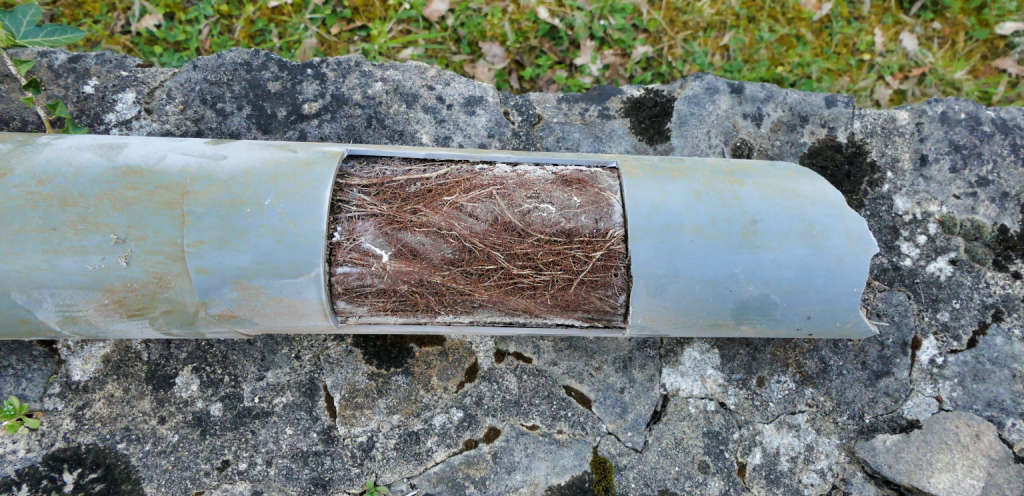
Tree roots invading sewer lines can be a serious cause of slow draining and other plumbing problems. As trees grow, their roots naturally seek out water sources, including underground sewer pipes.
Roots can enter pipes through small cracks or joints, and once inside, they can block or even break the pipes as they continue to grow. Signs of tree root infiltration include clogs that don’t go away, gurgling noises from drains, and sewage backups.
Addressing this issue typically requires professional assistance. Our plumbers use specialized equipment, such as root-cutting tools and hydro-jetting machines, to remove roots from pipes effectively.
Regular inspections and proactive maintenance can help detect and prevent tree root problems before they cause significant damage to your plumbing system.
Contact the Professionals at Watters Plumbing
If your home’s water is draining slowly, and you have tried all the DIY drain solutions you can think of, call our team! Watters Plumbing has more than 60 years of experience providing professional plumbing services to the Fox Cities, Green Bay, and Oshkosh areas.
Contact us today, and we’ll address concerns about your clogged drains.